Shopping Center
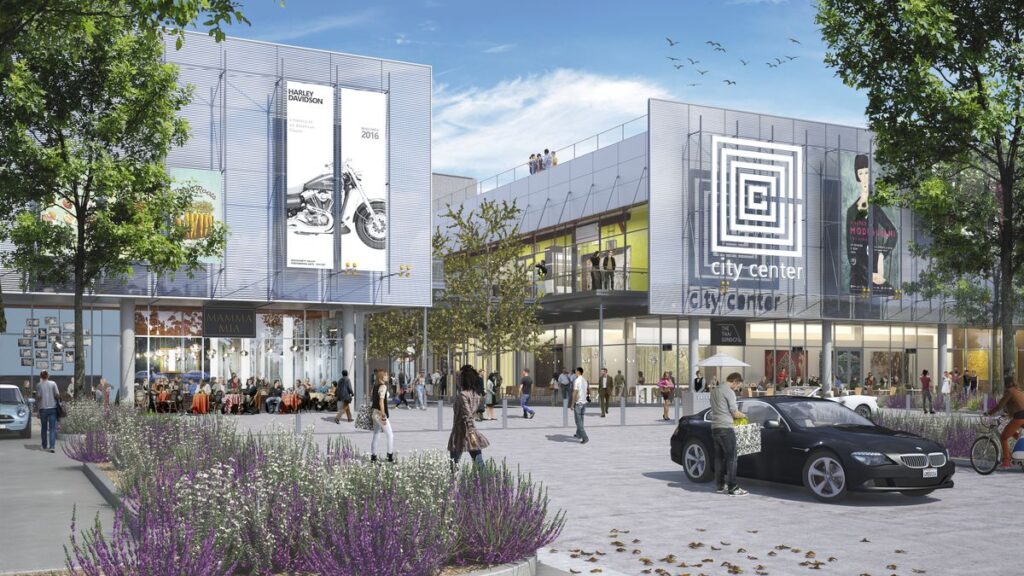
Shopping centers and malls have long been cornerstones of commerce and community, evolving from simple retail clusters into dynamic destinations that offer a blend of shopping, dining, entertainment, and even residential or office components. While the retail landscape is continually adapting to digital trends, well-conceived and strategically managed shopping centers remain vital economic engines and community hubs. Investing in or developing these spaces offers significant opportunities for stable income, asset appreciation, and community impact..

Why Are Shopping Centers & Malls Useful?
Key Benefits of Investing in Shopping Center & Mall Spaces
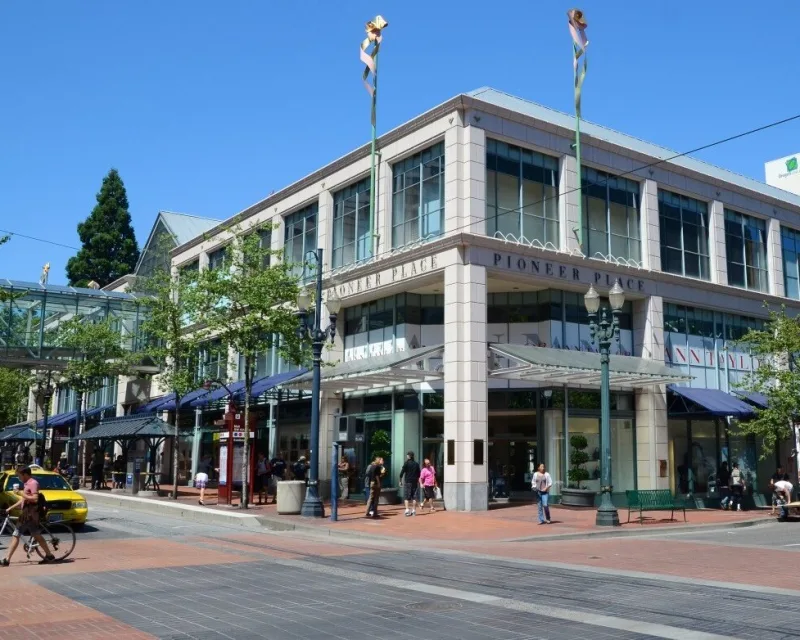
Shopping centers and malls serve multiple critical functions, making them valuable assets for investors, tenants, and communities:
- Retail Concentration & Convenience: They aggregate numerous retailers, restaurants, and service providers in one location, offering consumers unparalleled convenience and choice.
- Economic Impact: They generate substantial local and regional economic activity through sales tax revenue, property taxes, and the creation of numerous jobs (retail, management, maintenance, security).
- Community Hubs: Modern shopping centers often serve as gathering places, hosting events, providing entertainment, and offering amenities that foster social interaction and community engagement.
- Market Access for Businesses: They provide established platforms for retailers, both large and small, to reach target customers with built-in foot traffic and marketing support.
- Urban & Suburban Revitalization: Redeveloping or modernizing shopping centers can breathe new life into older areas, attracting new businesses and residents.
- Asset Value: Well-managed, strategically located, and adaptable retail properties represent substantial long-term real estate assets with potential for appreciation.
Investing in retail properties like shopping centers and malls offers a range of compelling benefits for owners and developers:
- Diverse Revenue Streams: Income is primarily generated from tenant leases (base rent, percentage rent, common area maintenance – CAM fees), but can also include parking fees, advertising revenue, kiosk rentals, and event hosting.
- Anchor Tenant Stability: The presence of strong anchor tenants (e.g., department stores, large grocery chains, cinemas) can drive foot traffic, stabilize occupancy rates, and attract smaller, complementary businesses.
- Long-Term Leases: Commercial retail leases often span several years, providing predictable and stable cash flow for property owners.
- Adaptability & Evolution: Successful shopping centers are constantly adapting, incorporating experiential retail, entertainment options, diverse dining, fitness centers, and even residential or office components to remain relevant and attractive to consumers.
- Increased Foot Traffic: A well-located and well-curated tenant mix naturally draws a large customer base, benefiting all businesses within the center.
- Scale and Management Efficiency: Managing multiple tenants within a single property allows for economies of scale in maintenance, security, marketing, and property management.

Different Types of Shopping Centers & Malls
The retail property sector is diverse, with various formats designed to serve different market needs:
- Neighborhood Centers: Typically anchored by a supermarket or drugstore, providing daily necessities and services (e.g., dry cleaner, small restaurants) to a local population. (30,000 – 100,000 sq ft)
- Community Centers: Larger than neighborhood centers, often anchored by a discount department store, supermarket, or large specialty retailer, offering a wider range of goods and services. (100,000 – 350,000 sq ft)
- Power Centers: Dominated by several large, “big box” retailers (e.g., electronics, sporting goods, home improvement stores) with few smaller tenants. (250,000 – 600,000 sq ft)
- Regional Malls: Enclosed, climate-controlled malls with multiple anchor department stores and a wide array of specialty shops, food courts, and often entertainment. Serve a large trade area. (400,000 – 800,000 sq ft)
- Super-Regional Malls: The largest malls, with more anchors and a greater depth and breadth of merchandise than regional malls, often including extensive entertainment options. (800,000+ sq ft)
- Outlet Centers: Feature manufacturers’ outlet stores selling branded goods at discounted prices. Often located in tourist destinations or along major highways.
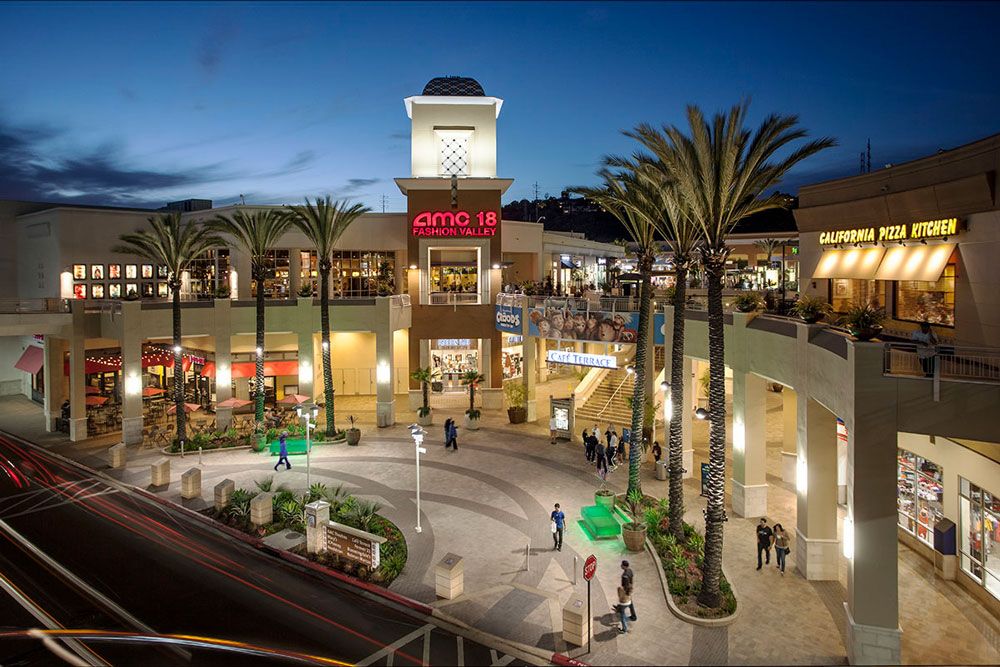
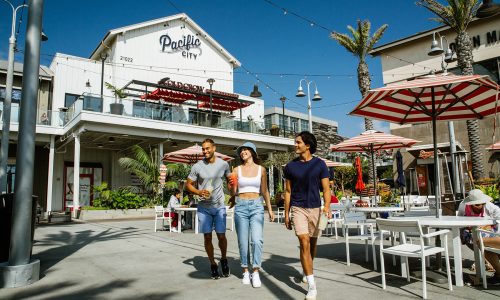
- Lifestyle Centers: Typically open-air, upscale centers with a focus on fashion and specialty retail, dining, and entertainment, often designed with an attractive, pedestrian-friendly environment.
- Mixed-Use Developments: Integrate retail spaces with residential, office, hospitality, or civic uses, creating vibrant, live-work-play environments.

Why Choose Nexa Commercial for Your Shopping Center Loan Needs?
The retail real estate market is dynamic, influenced by e-commerce, changing consumer preferences, and economic shifts. Financing successful shopping centers and malls requires a deep understanding of these trends and an ability to evaluate the long-term viability of retail concepts. At NEXA Commercial, we understand these complexities and are committed to being your strategic financing partner.
Here’s why partnering with us provides a distinct advantage for your shopping center or mall venture:
- Specialized Retail Real Estate Expertise: Our team possesses an in-depth understanding of the retail sector. We analyze market demographics, tenant mix, sales performance, e-commerce impact, and the potential for experiential components to evaluate the strength and future viability of your retail property.
- Tailored Financing Solutions: We offer a diverse portfolio of commercial loan products specifically designed for the unique capital needs of shopping centers and malls, including:
- Acquisition Loans: For purchasing existing shopping centers, malls, or individual retail pads.
- Development & Construction Loans: To build new retail complexes or transform outdated ones into modern destinations.
- Redevelopment & Renovation Loans: Crucial for adapting properties to changing market demands, adding new anchors, integrating mixed-use components, or enhancing common areas.
- Refinancing Options: To optimize your capital structure, lower interest rates, or extract equity for further investment.
- Tenant Improvement (TI) Financing: To help secure new tenants or retain existing ones by funding necessary build-outs and improvements.
- Competitive Rates & Flexible Terms: We leverage our extensive network of lenders and financial partners to secure the most favorable interest rates and repayment terms that align with the long-term investment cycles and cash flow patterns of retail real estate.
- Streamlined & Efficient Process: We pride ourselves on a transparent and expedited loan application and approval process, ensuring you can act quickly on market opportunities and secure financing without unnecessary delays.
- Dedicated Relationship Managers: You’ll work with an experienced loan officer who will provide personalized guidance, conduct thorough due diligence, and help structure the ideal financing solution to meet your specific project goals and risk profile.
- Understanding of Market Evolution: We stay abreast of retail trends, consumer behavior, and economic indicators, providing insightful advice that helps ensure your retail property remains competitive and profitable for years to come.
Whether you’re developing a cutting-edge lifestyle center, revitalizing a community mall, or acquiring a stable neighborhood plaza, NEXA Commercial is here to provide the financial foundation for your retail real estate success. Contact us today to discuss how we can help your investment thrive in the evolving retail landscape.
get a quote

qUICK LINKS
ABOUT US
CURRENT RATES
LOAN PROGRAMS
DISCLAIMER